Certified IICRC S520 Toxic Mold Containment & Remediation · Racine, WI · FEMA Region 5
24/7 Black Mold Removal in Racine, WI — Immediate Dispatch
Safe, certified toxic black mold eradication in Racine and Racine County. Direct telephone connection with independent IICRC S520 remediation contractors for negative air containment, HEPA filtration, and antimicrobial sanitization.
Step 1: Select Your Current Technical Symptom
What is the 24/7 Black Mold Removal emergency protocol in Racine, WI?
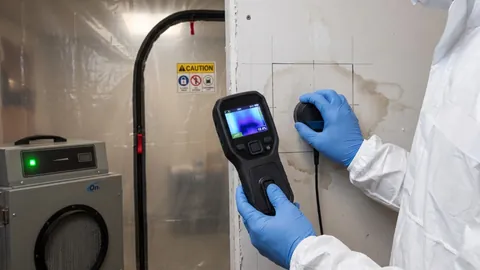
Emergency black mold removal in Racine, WI eliminates toxic Stachybotrys chartarum and fungal colonies across Racine County using ANSI/IICRC S520 containment standards. Independent certified remediators isolate affected rooms with 6-mil poly negative-air chambers, HEPA air scrubbers (500+ CFM), and EPA-registered botanical antimicrobials under Wisconsin DHS guidelines.
Immediate 4-Step Action Protocol:
- Do not disturb dry mold or spray household bleach: Scraping dry spores aerosolizes mycotoxins throughout living areas, and bleach water content accelerates porous drywall fungal regrowth.
- Turn off central HVAC forced-air circulation: Seal supply and return vents in affected rooms to prevent fungal spores from spreading across household ductwork.
- Isolate affected space with sealed plastic barriers: Close interior doors and hang polyethylene sheeting to contain fungal contamination before professional arrival.
- Call certified IICRC S520 mold remediators: Connect directly by phone with independent licensed remediation contractors serving Racine County for negative-air extraction.
*Pricing disclosure: Rates, diagnostic fees, and project terms are established independently by participating local service contractors based on physical on-site assessment.
Call (833) 567-5843 NowBlack Mold Removal Protocols & Technical Standards in Racine, WI
Toxic black mold (Stachybotrys chartarum and Chaetomium) produces mycotoxins that cause severe respiratory distress, eye irritation, and chronic allergic reactions. In Racine, concealed plumbing seepage, condensation on HVAC drywall, and basement groundwater moisture create ideal incubation chambers for fungal colonies. Independent IICRC-certified mold remediators serving Racine County follow strict ANSI/IICRC S520 standards, isolating affected rooms with sealed plastic containment barriers and negative-pressure HEPA air scrubbers under Wisconsin DHS guidelines.
Local Regulatory & Technical Standards for Racine, WI
| Regulatory / Technical Parameter | Statutory Authority & Adopted Code | Engineering Standards & Diagnostic Scope |
|---|---|---|
| State Statutory Licensing Board | State Professional Contractor Licensing Board | Mandatory statutory trade licensing, commercial general liability, and active bond verification under WI administrative code. |
| Adopted Model Building Codes | International Residential Code (IRC) / NEC (NFPA 70) / IPC / IMC | Enforced safety standards governing system installation, mechanical ventilation, backflow prevention, and combustion venting. |
| Municipal Permitting & Inspection Triggers | Racine County Building Department Standards | Local municipal building authorities mandate trade contractor permits and certified inspection sign-offs. |
| Environmental & Climate Operating Factors | IECC Mixed Continental Climate Zone | Regional thermal demand requires balanced HVAC sizing, weather-resistant barriers, and annual safety flushes. |
Black Mold Removal Cost Evaluation Guide in Racine, WI
Itemized project costs depend on physical on-site diagnosis, equipment specifications, accessibility, and municipal code requirements. Estimates are evaluated against RSMeans residential mechanical standards and U.S. Bureau of Labor Statistics (BLS) trade wage benchmarks. Participating independent contractors provide upfront written quotes prior to starting work.
| Technical Cost Driver | Evaluation Scope Variable | Labor Standard | Written Guarantee | Technical Scope & Parts Included |
|---|---|---|---|---|
| Cooling / Heating Tonnage & Inverter Technology | Single-stage standard system vs Variable-speed SEER2 inverter heat pump | ACCA Manual J Load Calculation | 10-Year Compressor / Parts Warranty | Measuring return airflow, calculating CFM delivery, and matching evaporator coil to condenser. |
| Refrigerant Type & Closed-Loop Pressure Decay | R-410A / R-32 / R-454B closed refrigerant circuit leak containment | EPA Section 608 Universal Standard | EPA Leak-Rate Compliance | Electronic nitrogen pressure decay testing, micron vacuum evacuation below 500 microns, and digital recharge. |
| Electrical Service Disconnect & Safety Capacitors | Hermetic compressor contactor, dual-run capacitor, and 240V whip | 1–2 electrical testing hrs | 1-Year Parts & Labor Workmanship | Testing microfarad tolerances, replacing pitted contactor points, and verifying disconnect fusing. |
| Ductwork Static Pressure & Municipal Mechanical Permit | External static pressure measurement and municipal mechanical inspection | Airflow Balancing Verification | Municipal Mechanical Sign-Off | Verifying static pressure under 0.5 in. w.g., testing temperature splits, and filing permits. |
Why Bleach Fails on Porous Moldy Drywall in Racine
Spraying common household bleach on moldy drywall or framing lumber does not eradicate the mold roots (hyphae). Bleach's chlorine evaporates quickly on the surface while its high water content penetrates deep into the porous gypsum, feeding the underlying fungal roots and accelerating regrowth within days. Professional remediation requires physical structural removal and hospital-grade botanical antimicrobials.
IICRC S520 Containment & Engineering Controls
Remediating elevated fungal colonization in Racine requires strict containment engineering to prevent cross-contaminating unaffected living areas. Technicians erect 6-mil flame-retardant polyethylene containment walls with zippered airlocks, exhaust air outside using commercial HEPA air filtration devices maintaining 500+ CFM negative pressure, HEPA-vacuum structural framing, and apply EPA-registered antimicrobial sealants.
FEMA & IICRC Black Mold Removal Protocols in Racine, WI
According to official FEMA and NFIP flood damage models, just 1 inch of standing water inside a residential property results in an average of $26,807 in direct structural loss. In Racine County, emergency water extraction and structural drying must begin within 24 to 48 hours under EPA/FEMA guidelines to prevent irreversible toxic microbial proliferation (Stachybotrys and Aspergillus).
Regional Federal Center: Wisconsin falls under FEMA Region 5, headquartered in Chicago, IL. Rapid local extraction protects real estate appraisal values and ensures insurance claim validity under IICRC S500/S520 standards.
Additional Mold Remediation in Racine, WI
Explore specialized mold remediation options in Racine County or consult our pricing guide.
Related Trade Services for Black Mold Removal in Racine
Certain property repairs involve overlapping home systems. Explore certified trade professionals serving Racine:
Water Damage Restoration in Racine
Fungal remediation cannot succeed long-term without resolving underlying plumbing leaks and structural moisture in Racine.
Frequently Asked Questions: Black Mold Removal in Racine, WI
How do I know if the black mold in my Racine home is dangerous?
Visual color alone cannot determine mold toxicity. While Stachybotrys appears dark greenish-black and slimy, many common household molds look identical. Certified laboratory air and surface spore sampling confirms the species and airborne spore concentrations.
Can I stay in my home during mold remediation in Racine, WI?
If mold remediation is contained within an isolated bathroom or crawlspace under negative pressure, residents can usually remain at home. For widespread living area contamination exceeding 100 square feet, temporary relocation is recommended during demolition.
Does homeowners insurance cover black mold removal in Wisconsin?
Insurance coverage depends on the initial cause of loss. Mold resulting from sudden burst supply lines is typically covered up to policy sub-limits ($5,000 to $10,000), while mold caused by deferred maintenance or chronic humidity is excluded.
What is post-remediation clearance testing in Racine?
Clearance testing involves an independent indoor environmental professional collecting Air-O-Cell cassette spore samples inside the contained work area to verify spore counts match or beat clean outdoor baseline air before containment is dismantled.
Racine Priority Inbound Hotline
Need Immediate Black Mold Removal in Racine, WI?
Connect directly with verified independent licensed service professionals serving Racine and Racine County. Immediate phone dispatch available today.
Call (833) 567-5843