FEMA Disaster & Severe Storm Overland Flood Mitigation · Bridgeport, CT · FEMA Region 1
24/7 Storm & Flood Restoration in Bridgeport, CT — Immediate Dispatch
Rapid overland floodwater extraction and storm recovery across Bridgeport and Fairfield County. Connect directly with independent IICRC-certified flood response teams for high-capacity pumping, mud removal, and structural psychrometric dehumidification.
Step 1: Select Your Current Technical Symptom
What is the 24/7 Storm & Flood Restoration emergency protocol in Bridgeport, CT?
Storm and flood restoration in Bridgeport, CT extracts overland floodwater, silt, and storm runoff across Fairfield County under FEMA and IICRC Category 3 guidelines. Independent emergency disaster restoration teams deploy high-capacity gas trash pumps (up to 10,000 GPH), thermal imaging moisture mapping, structural flood cuts, and continuous desiccant dehumidification.
Immediate 4-Step Action Protocol:
- Verify outdoor electrical and gas utility safety: Stay out of receding floodwaters until municipal utility crews or licensed electricians confirm zero energized wires.
- Document floodwater high-water marks thoroughly: Take wide-angle photos of exterior waterlines and interior drywall marks before silt removal for NFIP flood claims.
- Discard contaminated porous food and bedding: Any porous materials in contact with overland stormwater runoff harbor agricultural chemicals and sewage pathogens.
- Call certified storm disaster restoration teams: Connect directly by phone with independent IICRC disaster contractors serving Fairfield County for high-capacity pumping and drying.
*Pricing disclosure: Rates, diagnostic fees, and project terms are established independently by participating local service contractors based on physical on-site assessment.
ℹ️ Live Water Damage Phone Dispatch is Active for California Only — View CA DirectoryStorm & Flood Restoration Protocols & Technical Standards in Bridgeport, CT
Severe storm systems and overland flash flooding in Bridgeport, CT introduce massive volumes of contaminated Category 3 floodwater into residential basements, crawlspaces, and ground floors. Heavy precipitation surges matching local Long Island Sound maritime humidity, coastal storm surges, 44 inches of rainfall, and freeze-thaw transitions frequently overwhelm stormwater drainage infrastructure across Fairfield County. Independent emergency disaster restoration contractors arrive equipped with high-volume trash pumps, thermal imaging cameras, and industrial drying systems to extract standing water and stabilize foundations before structural rotting occurs.
Local Regulatory & Technical Standards for Bridgeport, CT
| Regulatory / Technical Parameter | Statutory Authority & Adopted Code | Engineering Standards & Diagnostic Scope |
|---|---|---|
| State Statutory Licensing Board | Connecticut Professional Licensing Board | Mandatory statutory trade licensing, commercial general liability, and active bond verification under CT administrative code. |
| Adopted Model Building Codes | Connecticut State Building Code / IRC 2021 / IPC 2021 / NEC 2020 | Enforced safety standards governing system installation, mechanical ventilation, backflow prevention, and combustion venting. |
| Municipal Permitting & Inspection Triggers | Fairfield County Building Department Standards | Department of Consumer Protection requires P-1/P-2 or E-1/E-2 licensed contractors for mechanical and electrical alterations. |
| Environmental & Climate Operating Factors | IECC Zone 5A (Cold) | Severe coastal Nor'easters necessitate robust roof ice dam membranes and high-AFUE condensing heating systems. |
Storm Flood Restoration Cost Evaluation Guide in Bridgeport, CT
Itemized project costs depend on physical on-site diagnosis, equipment specifications, accessibility, and municipal code requirements. Estimates are evaluated against RSMeans residential mechanical standards and U.S. Bureau of Labor Statistics (BLS) trade wage benchmarks. Participating independent contractors provide upfront written quotes prior to starting work.
| Technical Cost Driver | Evaluation Scope Variable | Labor Standard | Written Guarantee | Technical Scope & Parts Included |
|---|---|---|---|---|
| Physical System Accessibility & Location | Attic, crawlspace, basement, roof pitch, or utility closet clearance | 1–2 diagnostic & setup hrs | Contractor Written Guarantee | Safe access platform setup, electrical isolation, and confined-space safety compliance. |
| Equipment Capacity, Sizing & Efficiency Grade | Standard residential capacity vs high-efficiency / variable-speed units | Manufacturer Sizing Verification | OEM Factory Parts Warranty | ACCA Manual J calculation, electrical service capacity review, and AHRI matching. |
| Component Replacement & Diagnostic Instrumentation | Digital combustion analysis, ultrasonic leak detection, or megohmmeter testing | Comprehensive Safety Check | 1-Year Parts & Labor Workmanship | Calibrated diagnostic testing, OEM component replacement, and functional cycle verification. |
| Statutory Municipal Permitting & Code Compliance | Local building inspection fees, utility disconnects, and safety sign-offs | Permit Coordination Window | Municipal Compliance Sign-Off | Filing required trade permits, backflow certification, and utility company notifications. |
Overland Floodwater vs. Internal Plumbing Leaks
Overland floodwater from swelling rivers, street runoff, or coastal storm surges is legally classified as Category 3 black water by FEMA and the IICRC. Unlike clean supply pipe leaks, floodwater carries silt, agricultural runoff, and chemical residues that permanently contaminate wall insulation and carpets. Standard homeowner insurance policies exclude overland flooding without an active NFIP or private flood rider.
High-Volume Water Extraction & Moisture Mapping
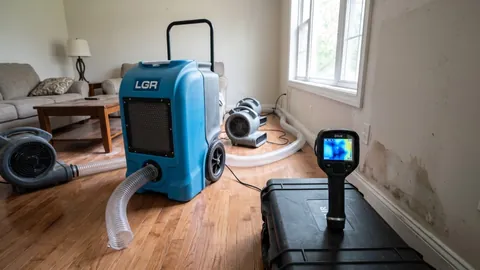
Disaster response teams in Bridgeport deploy gas-powered submersible trash pumps capable of extracting up to 10,000 gallons per hour from inundated basements and lower floors. Following water removal, crews use FLIR thermal cameras to track hidden water migration through framing and concrete slabs, applying antimicrobial micro-mists and operating high-temperature LGR dehumidifiers continuously.
FEMA & IICRC Storm & Flood Restoration Protocols in Bridgeport, CT
According to official FEMA and NFIP flood damage models, just 1 inch of standing water inside a residential property results in an average of $26,807 in direct structural loss. In Fairfield County, emergency water extraction and structural drying must begin within 24 to 48 hours under EPA/FEMA guidelines to prevent irreversible toxic microbial proliferation (Stachybotrys and Aspergillus).
Regional Federal Center: Connecticut falls under FEMA Region 1, headquartered in Boston, MA. Rapid local extraction protects real estate appraisal values and ensures insurance claim validity under IICRC S500/S520 standards.
Additional Water Damage Restoration in Bridgeport, CT
Explore specialized water damage restoration options in Fairfield County or consult our pricing guide.
Related Trade Services for Storm & Flood Restoration in Bridgeport
Certain property repairs involve overlapping home systems. Explore certified trade professionals serving Bridgeport:
Post-Storm Mold Mitigation in Bridgeport
Overland floodwaters saturate sheetrock and floor joists. Comprehensive drying and antimicrobial barrier application prevents mold blooms in Bridgeport.
Frequently Asked Questions: Storm & Flood Restoration in Bridgeport, CT
How soon should floodwater be removed from a home in Bridgeport, CT?
Extraction should begin immediately. Within 24 to 48 hours, standing floodwater causes irreversible subfloor warping and triggers rapid mold colonization under FEMA and EPA guidelines.
What is the difference between standard insurance and NFIP flood claims in Connecticut?
Standard homeowners insurance excludes groundwater inundation and overland surge. Only NFIP (National Flood Insurance Program) policies cover rising surface water. Restorers provide itemized drying logs for insurance adjusters.
How do restoration crews prevent mold growth after storm flooding in Fairfield County?
Crews strip wet drywall up to 24 inches above the waterline, apply EPA-registered botanical fungistats, and run commercial desiccant or LGR dehumidifiers until moisture meters verify baseline wood moisture content.
Can electrical systems be used while floodwaters recede in Bridgeport?
Never enter flooded areas or touch electrical panels until an electrician or utility company has formally disconnected power. Floodwater conducts electrical currents and damages submerged wiring and outlets.
Bridgeport Priority Inbound Hotline
Need Immediate Storm & Flood Restoration in Bridgeport, CT?
Connect directly with verified independent licensed service professionals serving Bridgeport and Fairfield County. Immediate phone dispatch available today.
ℹ️ Live Water Damage Phone Dispatch is Active for California Only — View CA Directory