60-Minute Rapid Response Water Removal & Pumping · Buffalo, NY · FEMA Region 2
24/7 Emergency Water Extraction in Buffalo, NY — Immediate Dispatch
Rapid emergency water extraction and flood mitigation across Buffalo and Erie County. Connect directly with independent IICRC S500 restoration specialists for truck-mounted extraction, psychrometric drying, and direct insurance billing.
Step 1: Select Your Current Technical Symptom
What is the 24/7 Emergency Water Extraction emergency protocol in Buffalo, NY?
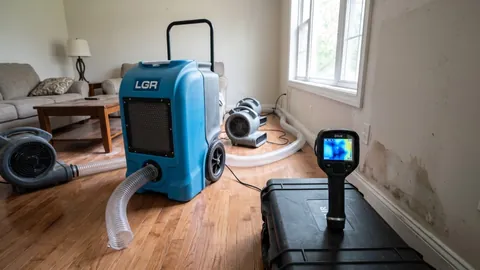
Emergency water extraction in Buffalo, NY stops structural saturation and extracts standing floodwater within 45 to 90 minutes across Erie County. Independent IICRC S500 certified restoration specialists deploy truck-mounted vacuum extractors, commercial low-grain refrigerant (LGR) dehumidifiers, and thermal imaging moisture meters with direct insurance billing.
Immediate 4-Step Action Protocol:
- Shut off the main residential water supply valve: Immediately halt incoming municipal pressure at the main interior shutoff valve or street meter.
- De-energize electrical breakers to flooded areas: Turn off branch circuits supplying wet rooms at the main electrical panel if safe to access without standing in water.
- Elevate furniture and delicate household goods: Place aluminum foil or plastic blocks beneath furniture legs to prevent wood stain bleeding onto saturated carpeting.
- Call 24/7 emergency water extraction dispatch: Connect immediately by phone with independent IICRC-certified restoration crews serving Erie County for rapid truck-mounted extraction.
*Pricing disclosure: Rates, diagnostic fees, and project terms are established independently by participating local service contractors based on physical on-site assessment.
ℹ️ Live Water Damage Phone Dispatch is Active for California Only — View CA DirectoryEmergency Water Extraction Protocols & Technical Standards in Buffalo, NY
When pressurized plumbing ruptures or sewage backflows flood finished interior spaces in Buffalo, NY, every minute standing water remains on carpet, hardwood, and drywall escalates structural degradation. Uncontained water wicks vertically through drywall framing at up to an inch per hour and saturates subfloor joists. Independent IICRC-certified restoration contractors serving Erie County maintain 24/7 priority emergency dispatch with industrial truck-mounted extraction units and submersible trash pumps under NYS Dept of Labor Mold Program standards.
Local Regulatory & Technical Standards for Buffalo, NY
| Regulatory / Technical Parameter | Statutory Authority & Adopted Code | Engineering Standards & Diagnostic Scope |
|---|---|---|
| State Statutory Licensing Board | New York Professional Licensing Board | Mandatory statutory trade licensing, commercial general liability, and active bond verification under NY administrative code. |
| Adopted Model Building Codes | Uniform Fire Prevention and Building Code of New York State / IPC 2020 / NEC 2020 / IMC 2020 | Enforced safety standards governing system installation, mechanical ventilation, backflow prevention, and combustion venting. |
| Municipal Permitting & Inspection Triggers | Erie County Building Department Standards | Municipal building departments require licensed master trade filings and formal code inspection sign-offs. |
| Environmental & Climate Operating Factors | IECC Zone 4A / 5A / 6A (Mixed to Severe Cold) | Heavy winter snowpack and coastal wind conditions demand continuous ice barrier underlayment and high-efficiency hydronic heating. |
Emergency Water Extraction Cost Evaluation Guide in Buffalo, NY
Itemized project costs depend on physical on-site diagnosis, equipment specifications, accessibility, and municipal code requirements. Estimates are evaluated against RSMeans residential mechanical standards and U.S. Bureau of Labor Statistics (BLS) trade wage benchmarks. Participating independent contractors provide upfront written quotes prior to starting work.
| Technical Cost Driver | Evaluation Scope Variable | Labor Standard | Written Guarantee | Technical Scope & Parts Included |
|---|---|---|---|---|
| Cooling / Heating Tonnage & Inverter Technology | Single-stage standard system vs Variable-speed SEER2 inverter heat pump | ACCA Manual J Load Calculation | 10-Year Compressor / Parts Warranty | Measuring return airflow, calculating CFM delivery, and matching evaporator coil to condenser. |
| Refrigerant Type & Closed-Loop Pressure Decay | R-410A / R-32 / R-454B closed refrigerant circuit leak containment | EPA Section 608 Universal Standard | EPA Leak-Rate Compliance | Electronic nitrogen pressure decay testing, micron vacuum evacuation below 500 microns, and digital recharge. |
| Electrical Service Disconnect & Safety Capacitors | Hermetic compressor contactor, dual-run capacitor, and 240V whip | 1–2 electrical testing hrs | 1-Year Parts & Labor Workmanship | Testing microfarad tolerances, replacing pitted contactor points, and verifying disconnect fusing. |
| Ductwork Static Pressure & Municipal Mechanical Permit | External static pressure measurement and municipal mechanical inspection | Airflow Balancing Verification | Municipal Mechanical Sign-Off | Verifying static pressure under 0.5 in. w.g., testing temperature splits, and filing permits. |
The Critical First 24 Hours of Water Mitigation
Under IICRC S500 standards, standing water must be extracted and commercial psychrometric dehumidification initiated within 24 to 48 hours to prevent Category 1 clean water from degrading into Category 2 gray or Category 3 black water and spawning microbial growth. Homeowners in Erie County must initiate professional extraction immediately to preserve insurance coverage.
Truck-Mounted Extraction & Psychrometric Drying
Emergency water removal in Buffalo utilizes high-cfm truck-mounted vacuum extractors capable of removing hundreds of gallons of standing water per hour from deep carpet pad and concrete foundations. Technicians install commercial low-grain refrigerant (LGR) dehumidifiers and high-velocity axial air movers, logging psychrometric grains per pound (GPP) moisture readings daily to verify structural drying targets.
FEMA & IICRC Emergency Water Extraction Protocols in Buffalo, NY
According to official FEMA and NFIP flood damage models, just 1 inch of standing water inside a residential property results in an average of $26,807 in direct structural loss. In Erie County, emergency water extraction and structural drying must begin within 24 to 48 hours under EPA/FEMA guidelines to prevent irreversible toxic microbial proliferation (Stachybotrys and Aspergillus).
Regional Federal Center: New York falls under FEMA Region 2, headquartered in New York, NY. Rapid local extraction protects real estate appraisal values and ensures insurance claim validity under IICRC S500/S520 standards.
Additional Water Damage Restoration in Buffalo, NY
Explore specialized water damage restoration options in Erie County or consult our pricing guide.
Related Trade Services for Emergency Water Extraction in Buffalo
Certain property repairs involve overlapping home systems. Explore certified trade professionals serving Buffalo:
Mold Prevention in Buffalo
Saturated building materials support active fungal colonies within 24–48 hours. Schedule certified mold assessment in Buffalo.
Emergency Electrician in Buffalo
Water accumulation near baseboards and outlets presents severe arc hazards. Have a licensed electrician inspect Buffalo wiring.
Frequently Asked Questions: Emergency Water Extraction in Buffalo, NY
How fast can emergency water extraction crews arrive in Buffalo, NY?
Independent emergency restoration teams serving Buffalo and Erie County maintain 24/7 priority dispatch, arriving on-site within 45 to 90 minutes with industrial pumping and extraction equipment.
Does homeowners insurance cover water extraction in New York?
Yes. Standard property insurance covers sudden and accidental water damage (such as burst supply lines or water heater tank failures). Technicians document moisture logs with Xactimate estimating software for direct carrier billing.
Can wet hardwood floors be saved after a water leak in Buffalo?
Yes, if extraction begins quickly. Technicians use commercial floor drying mat systems that draw vacuum pressure directly through the hardwood planks to extract subfloor moisture before warping occurs.
What should I do immediately while waiting for the water extraction crew?
Immediately shut off your home's main water supply valve, turn off electricity to flooded rooms at your breaker panel if safe, and elevate delicate furniture and curtains off wet flooring.
Buffalo Priority Inbound Hotline
Need Immediate Emergency Water Extraction in Buffalo, NY?
Connect directly with verified independent licensed service professionals serving Buffalo and Erie County. Immediate phone dispatch available today.
ℹ️ Live Water Damage Phone Dispatch is Active for California Only — View CA Directory